Food safety is the foundation of every successful institutional kitchen. Whether you operate a hospital cafeteria, long-term care facility, school, university, corporate dining hall, or large-scale restaurant, maintaining safe food preparation standards protects your guests, your reputation, and your bottom line.
In high-volume commercial environments, even small mistakes can have serious consequences. That’s why following proven best practices for safe food preparation in institutional kitchens is essential for compliance, consistency, and customer trust.
This guide outlines practical, actionable food safety practices designed specifically for commercial and institutional kitchens—and explains how the right ingredients and standardized products can help you maintain safety and consistency at scale.
Why Food Safety Matters in Institutional Kitchens
Institutional kitchens serve large populations daily, often including vulnerable groups such as seniors, children, and patients with compromised immune systems. Strict food safety procedures are critical to:
- Prevent foodborne illness
- Maintain regulatory compliance
- Reduce liability risks
- Protect brand reputation
- Ensure consistent quality across shifts and locations
Implementing structured food safety protocols also improves efficiency and minimizes food waste—two major priorities for foodservice operations.
1. Implement Strict Personal Hygiene Policies
Proper personal hygiene is the first line of defense against contamination.
Key Hygiene Best Practices:
- Mandatory handwashing before food preparation
- Use of gloves when handling ready-to-eat foods
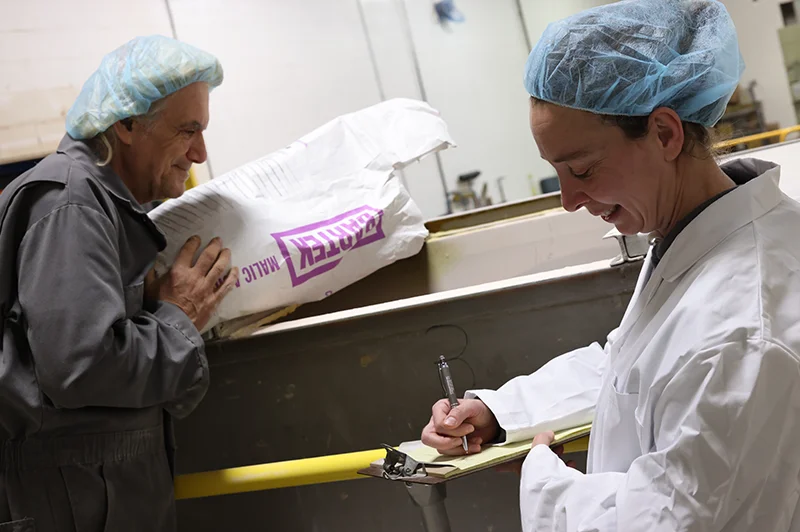
- Hair restraints and clean uniforms
- No jewelry or personal items in prep areas
- Clear illness reporting policies
Regular staff training ensures these practices remain consistent across all shifts.
2. Prevent Cross-Contamination
Cross-contamination is one of the leading causes of foodborne illness in commercial kitchens.
How to Reduce Cross-Contamination:
- Separate raw and cooked foods
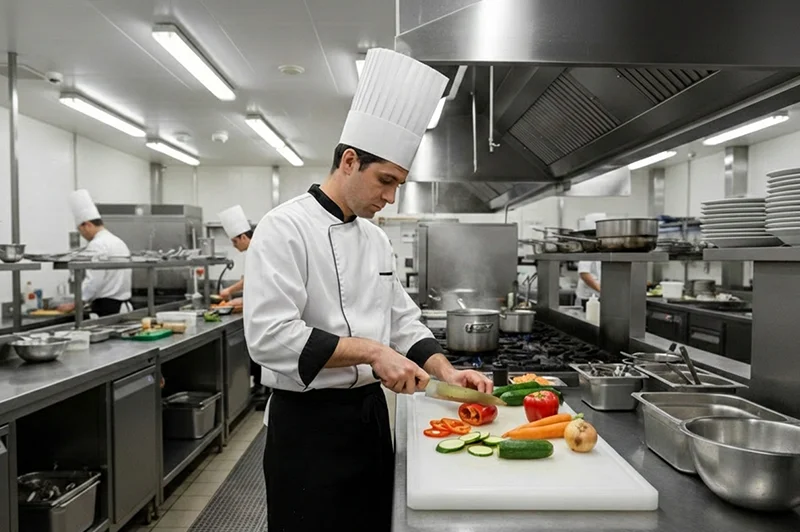
- Use color-coded cutting boards and utensils
- Store raw meats below ready-to-eat products
- Sanitize prep surfaces between tasks
- Clearly label and date all stored items
Standardized systems make these procedures easier to manage—especially in high-volume environments.
3. Maintain Proper Temperature Control
Time and temperature abuse is a major risk factor in institutional kitchens.
Temperature Safety Guidelines:
- Keep cold foods at 4°C (40°F) or below
- Keep hot foods at 60°C (140°F) or above
- Cook proteins to recommended internal temperatures
- Monitor holding equipment regularly
- Use calibrated thermometers daily
Digital temperature logs can improve documentation and simplify compliance audits.
4. Standardize Recipes and Ingredients
One of the most overlooked food safety strategies is recipe standardization. Inconsistent preparation methods can increase the risk of improper cooking, uneven seasoning, and temperature control issues.
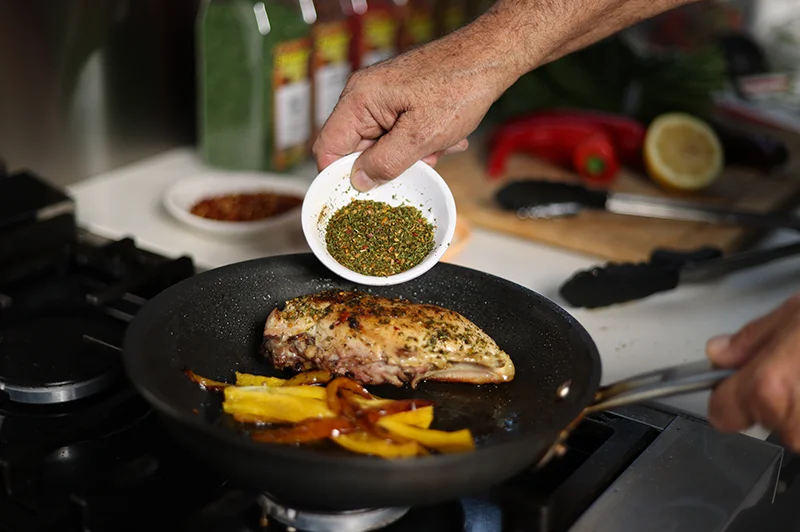
Using ready-to-mix bases and seasoning blends helps institutional kitchens maintain consistency while reducing prep errors.
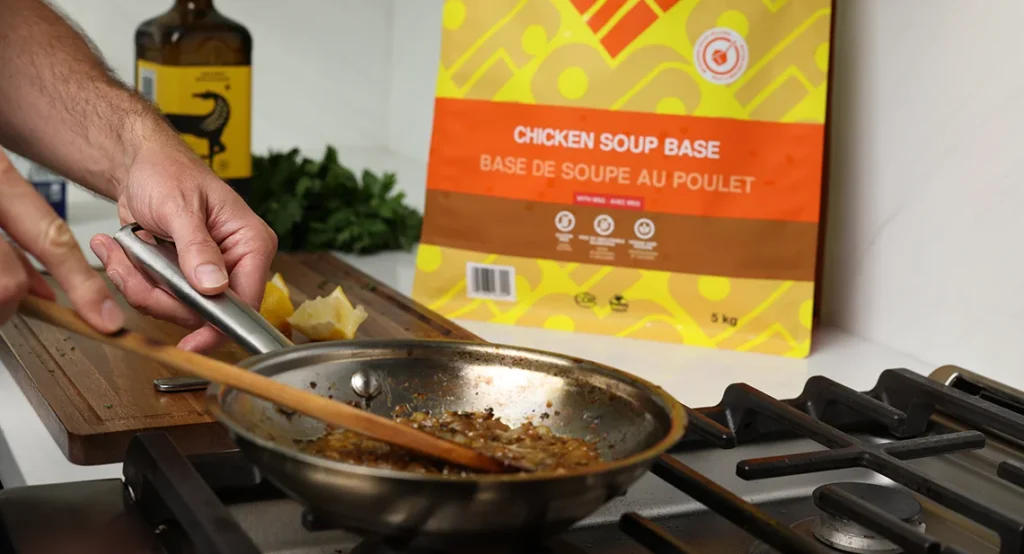
For example, Donmar Foods offers a range of products for commercial kitchens:
These powdered foodservice products allow kitchens to:
- Reduce handling of raw ingredients
- Minimize contamination risks
- Ensure consistent flavor and salt levels
- Speed up preparation time
- Reduce food waste
Standardized powdered bases are especially valuable in multi-location restaurant chains and healthcare foodservice operations where consistency is critical.
5. Follow Proper Cleaning and Sanitizing Procedures
Cleaning and sanitizing are not the same—and both are essential.
Best Practices:
- Clean surfaces to remove food debris
- Sanitize using approved chemical solutions
- Follow proper dilution ratios
- Air dry equipment whenever possible
- Maintain detailed cleaning schedules
Documented sanitation checklists help maintain accountability and simplify inspections.
6. Practice Safe Food Storage
Proper food storage extends shelf life and reduces spoilage.
Storage Guidelines:
- Use FIFO (First In, First Out) inventory management
- Clearly label all containers with dates
- Store dry goods in sealed containers
- Keep storage areas clean and organized
- Maintain proper humidity levels
Powdered soup bases, spices, and drink mixes are especially practical for institutional kitchens because they require less refrigeration space and offer longer shelf stability compared to fresh alternatives.
7. Train Staff Regularly
Ongoing food safety training is critical for institutional kitchen success.
Training should cover:
- Safe food handling procedures
- Allergen awareness
- Cleaning and sanitizing protocols
- Equipment operation
- Emergency response procedures
Refresher training reduces risk and ensures that best practices remain top-of-mind.
8. Reduce Food Waste While Maintaining Safety
Food waste is both a financial and environmental concern in commercial kitchens.
Using shelf-stable powdered mixes and soup bases helps reduce spoilage while maintaining consistent quality. Pre-measured and standardized ingredients minimize overproduction and improve cost control.
This approach is especially beneficial in healthcare, hospitality, and large-scale foodservice environments where volume forecasting can fluctuate.
9. Ensure Compliance with Local Health Regulations
Institutional kitchens must comply with municipal and provincial food safety regulations. Regular audits, documented logs, and standardized procedures are essential.
Being proactive—rather than reactive—helps avoid costly fines and reputational damage.
How Donmar Foods Supports Safe Institutional Food Preparation
For over 50 years, Donmar Foods has supplied commercial kitchens, restaurants, healthcare facilities, and institutional foodservice operations with high-quality powdered food products.
Our foodservice products are designed to:
- Improve consistency
- Reduce prep time
- Enhance food safety
- Minimize waste
- Simplify large-scale meal production
Explore our full range of foodservice solutions—including chicken soup bases, seasoning blends, desserts, powdered drink mixes, and thickening agents—designed specifically for commercial and institutional kitchens.
When safety, efficiency, and consistency matter, choosing the right ingredients makes all the difference.
Final Thoughts
Safe food preparation in institutional kitchens requires more than good intentions—it demands structured systems, standardized products, and continuous staff training.
By implementing strong food safety protocols and using reliable, shelf-stable foodservice ingredients, commercial kitchens can improve efficiency while protecting the health of the communities they serve.
If you are looking for high-quality food products for restaurants, healthcare facilities, or institutional kitchens, Donmar Foods is here to help.