Introduction: Why Packaging Matters in High-Volume Kitchens
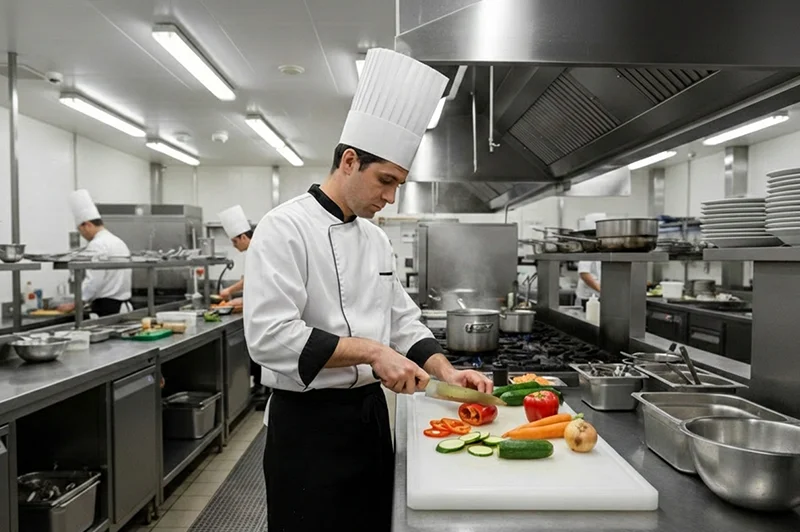
In commercial and institutional kitchens—whether in restaurants, hotels, hospitals, long-term care facilities, or large-scale catering operations—packaging is more than just a container. It affects storage efficiency, food safety, workflow speed, product waste, environmental footprint, and overall operating costs.
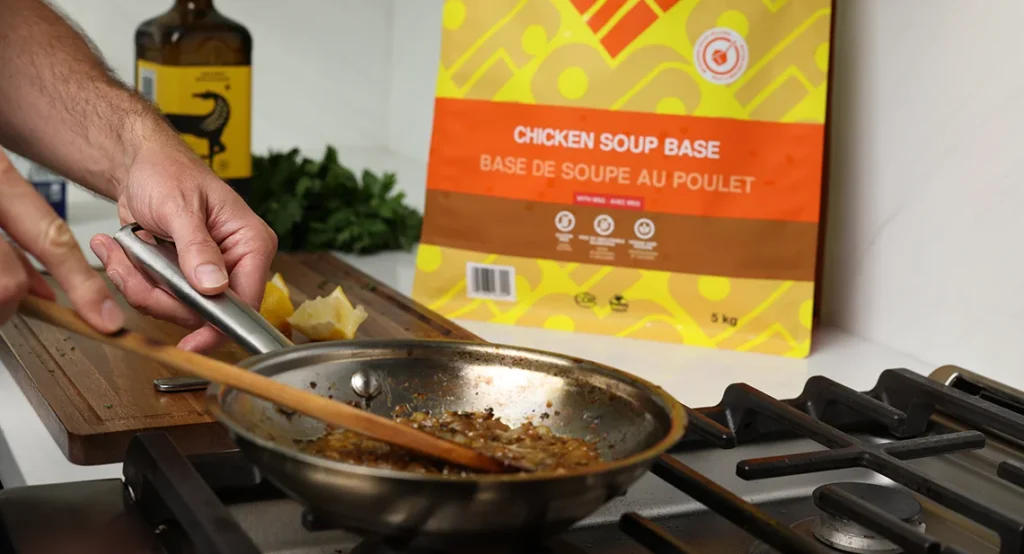
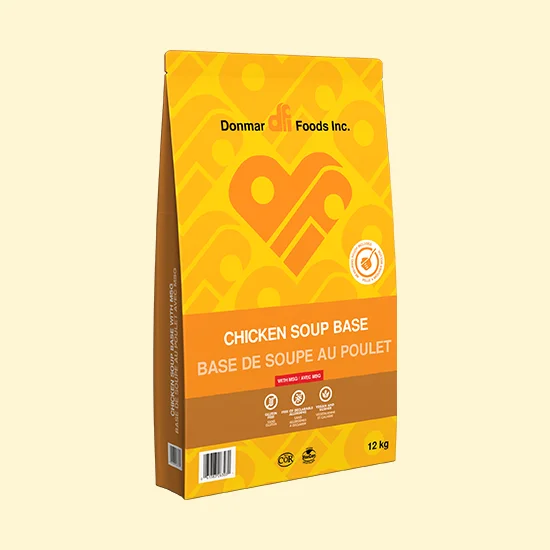
In recent years, flexible packaging pouches have become a preferred choice in professional kitchens thanks to their durability, lower environmental impact, and space-saving benefits. Donmar Foods has embraced this shift by transitioning its Chicken Soup Bases from rigid plastic containers to lightweight, flexible packaging pouches, allowing clients to work more efficiently while reducing waste.
You can view the full collection of Donmar Foods Chicken Soup Bases here: Chicken Soup Bases.
Below, we explore why flexible packaging has emerged as a superior option—and why more commercial kitchens are making the switch.
Flexible Packaging Uses Far Fewer Raw Materials
Traditional hard plastic tubs require a significant amount of raw material to produce. Between the thick plastic walls, lids, and structural reinforcements, these containers demand a high volume of petroleum-based inputs.
Flexible packaging, on the other hand, is engineered to use significantly fewer raw materials. This reduction has major benefits:
- Less environmental impact from manufacturing
- Reduced energy consumption during production
- Lower overall carbon footprint across the packaging’s life cycle
For commercial kitchens committed to meeting sustainability goals, switching to products in flexible packaging is a simple yet meaningful step forward.
Reduced Waste After Use
When a rigid plastic container is empty, kitchens are left with a bulky item that must be disposed of or recycled—often taking up considerable space in waste bins. Some facilities pay additional hauling fees for high-volume plastic waste.
Flexible packaging pouches solve this issue. Once emptied, they collapse almost completely, resulting in:
- Dramatically reduced waste volume
- Less storage space needed for disposed packaging
- Fewer waste pickups and reduced disposal costs
- A cleaner and more efficient back-of-house environment
For busy commercial kitchens, every inch of space matters—both before and after a product is used.
Lower Carbon Emissions During Transportation
Because flexible pouches are extremely lightweight, they require less fuel to transport compared to rigid plastic containers. This has a positive cascading effect across the supply chain:
- Lower transportation emissions
- Reduced fuel usage for shipments
- More efficient freight loads
- Improved sustainability performance for foodservice operators
When multiplied across hundreds of shipments per year, the environmental savings become substantial.
Improved Storage Efficiency in Commercial Kitchens
In high-volume kitchens, shelf space is both limited and valuable. Flexible packaging pouches offer:
- Better vertical and horizontal stacking efficiency
- More products stored per shelf
- Easier organization in dry storage
- Less clutter during service hours
Unlike rigid containers, which maintain the same size even as they empty, flexible pouches adjust as product is used—making storage smarter and more adaptive.
Enhanced Usability and Workflow Speed
Commercial kitchens rely on quick, efficient access to ingredients. Flexible packaging pouches help streamline operations:
- Easily cut open, pour, or scoop from
- Resealable options available
- No lids to lose or bulky containers to handle
- Safer handling—no hard edges or breakable plastic
This makes flexible packaging not only environmentally friendly, but also practical for chefs, prep cooks, and foodservice teams.
Cost-Effective for Foodservice Operators
Because flexible pouches use less material and weigh less during shipping, they often come with long-term cost reductions:
- More economical to manufacture
- Lower freight and handling costs
- Reduced waste disposal fees
- Better storage utilization—saving kitchen space
When evaluating total life-cycle cost, flexible packaging is often the more budget-friendly option for commercial kitchens.
Donmar Foods’ Commitment to Sustainable Packaging
Donmar Foods continually invests in packaging innovations that help reduce environmental impact while improving the experience for chefs and operators. Our recent transition of Chicken Soup Bases from hard plastic containers to flexible packaging pouches reflects our commitment to:
- Minimizing waste
- Reducing raw material usage
- Lowering transportation emissions
- Supporting more efficient back-of-house operations
This change allows foodservice professionals to enjoy the same high-quality Donmar Foods products—now in smarter, more sustainable packaging.
Conclusion: A Practical, Sustainable Choice for Modern Kitchens
Flexible packaging isn’t just a trend—it’s a proven improvement for commercial and institutional foodservice environments. By using fewer raw materials, reducing waste, improving storage efficiency, and lowering transportation emissions, flexible pouches offer meaningful advantages over traditional hard plastic containers.
Donmar Foods is proud to support chefs, culinary teams, and operators across Canada with high-quality products packaged in a way that’s better for both the kitchen and the environment.
To explore our lineup of products now available in flexible packaging, visit our Chicken Soup Bases page