Whether you’re preparing soups, sauces, gravies, desserts or beverages, achieving the right consistency is essential for both quality and safety. In commercial kitchens, hospitals, long-term care homes and restaurants, food and drink thickeners play a critical role in creating products that look appealing, perform consistently and meet the needs of a wide range of customers.
But what exactly are food and drink thickeners? How do they work? And why are they so important in professional foodservice operations?
In this guide, we’ll explore the science behind food and drink thickeners, their common applications, and how choosing the right thickener can improve efficiency, food quality and customer satisfaction.
What Are Food and Drink Thickeners?
Food and drink thickeners are ingredients that increase the viscosity of liquids without significantly changing their flavour. By controlling the movement of water molecules, these ingredients create a thicker, smoother texture that enhances both the eating and drinking experience.
Depending on the application, thickeners can be used to:
- Improve texture and mouthfeel
- Stabilize sauces, soups and beverages
- Prevent ingredient separation
- Increase product consistency
- Improve shelf stability
- Meet dietary requirements for individuals with swallowing difficulties (dysphagia)
Professional kitchens rely on thickeners every day because they produce predictable, repeatable results while helping maintain product quality across every batch.
How Do Food Thickeners Work?
At a scientific level, most thickeners absorb water or form a network that traps water molecules.
As water becomes bound within this network, it moves less freely, making the liquid thicker and more stable.
Different thickening ingredients work in different ways:
Starch-Based Thickeners
Starches absorb water and swell when heated. As they gelatinize, they create the thicker consistency commonly found in gravies, soups and sauces.
Common examples include:
- Corn starch
- Potato starch
- Modified food starch
- Tapioca starch
These ingredients provide smooth textures and are widely used throughout commercial food production.
Gum-Based Thickeners
Food gums create viscosity even at very low concentrations. Unlike starches, many gums do not require heat to begin thickening.
Examples include:
- Xanthan gum
- Guar gum
- Locust bean gum
These ingredients are commonly used in beverages, sauces, dressings and specialty products where excellent stability is required.
Protein-Based Thickeners
Some proteins naturally thicken foods as they heat or interact with other ingredients.
Examples include:
- Gelatin
- Egg proteins
- Dairy proteins
These are commonly found in desserts, custards, puddings and certain prepared foods.
Why Consistency Matters in Commercial Kitchens
Consistency is one of the biggest challenges facing foodservice operations.
Customers expect every serving to taste and look the same, whether it’s prepared today or next month.
Properly selected food thickeners help kitchens maintain:
Reliable Product Quality
Recipes perform consistently from batch to batch, reducing variation between shifts and staff members.
Better Portion Control
Uniform viscosity makes it easier to portion soups, gravies, sauces and beverages accurately, helping reduce food waste and improve cost control.
Improved Appearance
Proper thickness helps foods hold their shape, coat ingredients evenly and maintain an attractive presentation.
Enhanced Mouthfeel
Texture plays a major role in customer satisfaction. A smooth, consistent texture often influences how people perceive flavour and overall quality.
Food Applications for Thickeners
Food thickeners are incredibly versatile and are used throughout nearly every segment of foodservice.
Common applications include:
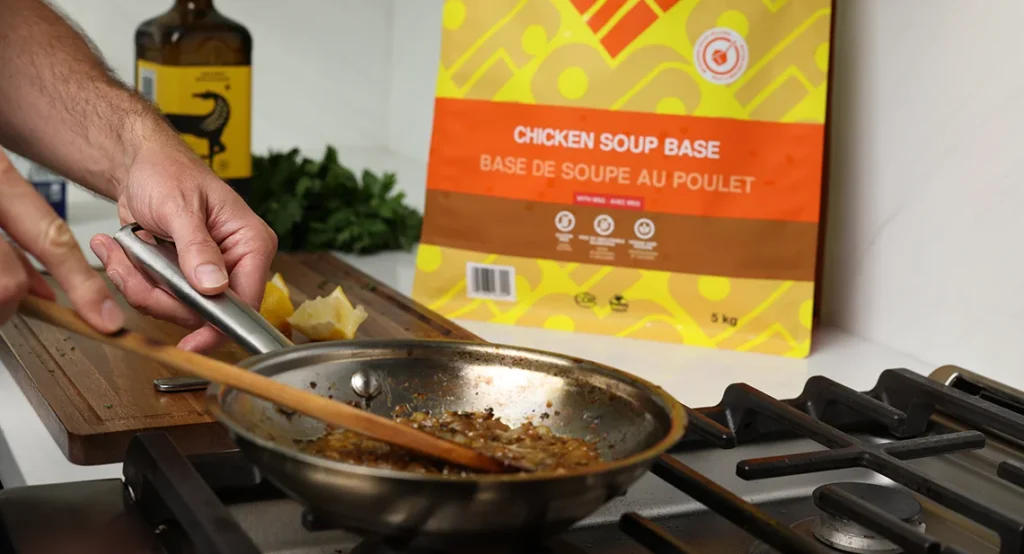
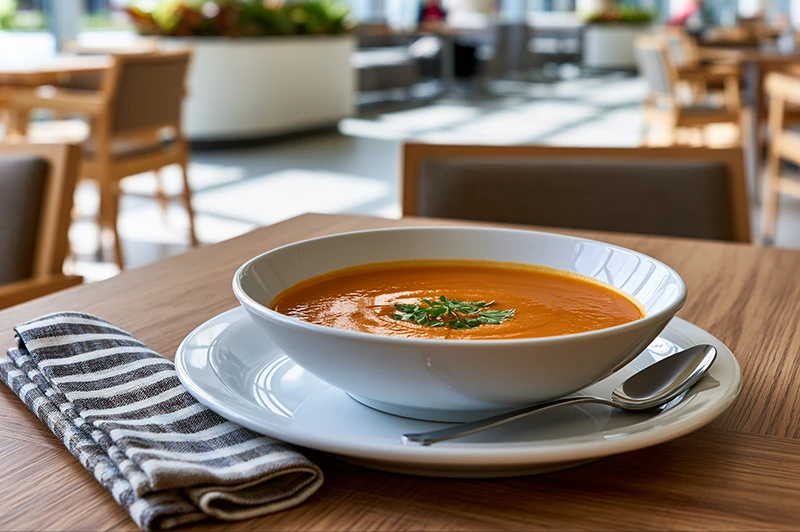
Soups
Commercial soup bases often rely on carefully balanced thickening ingredients to create a rich, hearty consistency while maintaining stability during holding and reheating.
Sauces and Gravies
Thickeners help sauces cling to meats, vegetables and pasta while preventing separation during service.
Desserts
Puddings, custards, pie fillings and dessert sauces all depend on controlled viscosity for the desired texture.
Salad Dressings
Many dressings use thickeners to suspend herbs and spices while maintaining a smooth pourable consistency.
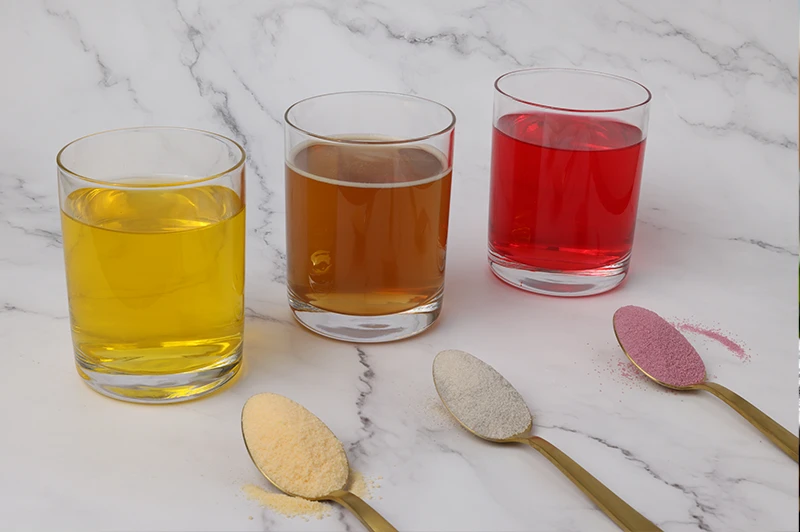
Beverage Mixes
Drink mixes frequently contain stabilizing ingredients that improve texture while preventing settling.
The Importance of Thickened Drinks in Healthcare
One of the most important applications for food and drink thickeners is in healthcare.
Hospitals, rehabilitation centres and long-term care facilities often serve individuals living with dysphagia—a swallowing disorder that affects millions of people worldwide.
For these individuals, thin liquids can be difficult or unsafe to swallow because they move too quickly through the mouth and throat.
Properly thickened beverages help by:
- Slowing liquid flow
- Improving swallowing control
- Reducing the risk of aspiration
- Supporting safer hydration
Because consistency is critical, healthcare facilities rely on professionally formulated thickening products that deliver predictable results every time.
Choosing the Right Thickener
Not every thickener performs the same way.
When selecting a thickening solution, foodservice professionals should consider:
Intended Application
Different foods require different viscosity levels. A soup, beverage and dessert each have unique performance requirements.
Mixing Performance
Some thickeners dissolve instantly, while others require heating or additional mixing time.
Flavour Neutrality
High-quality thickeners should have minimal impact on the flavour and appearance of finished foods and beverages.
Stability
Professional kitchens need products that remain stable during holding, refrigeration, reheating and transportation.
Ease of Use
Simple preparation reduces training requirements and helps ensure consistent results across multiple staff members.
Why Commercial Kitchens Choose Professionally Formulated Thickeners
While home cooks often use flour or corn starch for basic recipes, commercial kitchens require products that provide repeatable performance under demanding conditions.
Professionally formulated food and drink thickeners offer several advantages:
- Consistent results from batch to batch
- Faster preparation
- Reliable performance across multiple recipes
- Improved food safety
- Reduced waste
- Better customer experience
These benefits become especially important in high-volume foodservice environments where efficiency and consistency directly impact operating costs.
Food and Drink Thickeners from Donmar Foods
At Donmar Foods, we supply high-quality ingredients for restaurants, healthcare facilities, institutional kitchens and commercial foodservice operations across Canada.
Our Consist Rite Thickener is designed to help foodservice professionals achieve reliable consistency while supporting safe food and beverage preparation where controlled viscosity is essential.
In addition to food and drink thickeners, Donmar Foods manufactures a wide range of commercial food ingredients, including:
- Soup bases
- Stock bases
- Seasoning blends
- Herbs and spices
- Beverage mixes
- Dessert mixes
Our products are developed to deliver dependable performance, consistent quality and the flexibility required by today’s professional kitchens.
Frequently Asked Questions
What is the purpose of a food thickener?
Food thickeners increase the viscosity of liquids and semi-liquid foods, improving texture, stability and consistency while helping prevent separation.
What foods commonly contain thickeners?
Thickeners are commonly found in soups, sauces, gravies, puddings, desserts, beverages, salad dressings, pie fillings and many prepared foods.
Why are drink thickeners used in healthcare?
Drink thickeners are often used to help individuals with dysphagia swallow liquids more safely by slowing the movement of fluids through the mouth and throat.
Are all food thickeners the same?
No. Different thickeners perform differently depending on the ingredients, temperature, preparation method and intended application.
What industries use commercial food thickeners?
Commercial food thickeners are widely used by restaurants, hospitals, long-term care homes, schools, catering companies, food manufacturers and other institutional foodservice operations.
Conclusion
Food and drink thickeners are far more than simple recipe ingredients—they are essential tools for delivering consistency, safety and quality in modern foodservice operations.
Whether you’re preparing soups, sauces, beverages or specialized meals for healthcare environments, selecting the right thickener helps improve product performance, reduce waste and create a better dining experience.
If you’re looking for dependable food ingredients for your commercial kitchen or institution, Donmar Foods offers a broad range of professional food products designed to help you deliver consistent results every day.
Explore our food ingredients or contact Donmar Foods to learn more about our commercial food and drink thickening solutions.